







A crossed-out price and a bold percentage off can look convincing, but they do not always mean you are getting a genuine saving. Retailers sometimes inflate the original price before applying a discount, making an ordinary price look like a bargain. This guide gives you straightforward ways to check whether a deal is worth taking, so you can shop with a bit more confidence and avoid being misled by numbers that do not tell the full story.
Check the price history before you buy
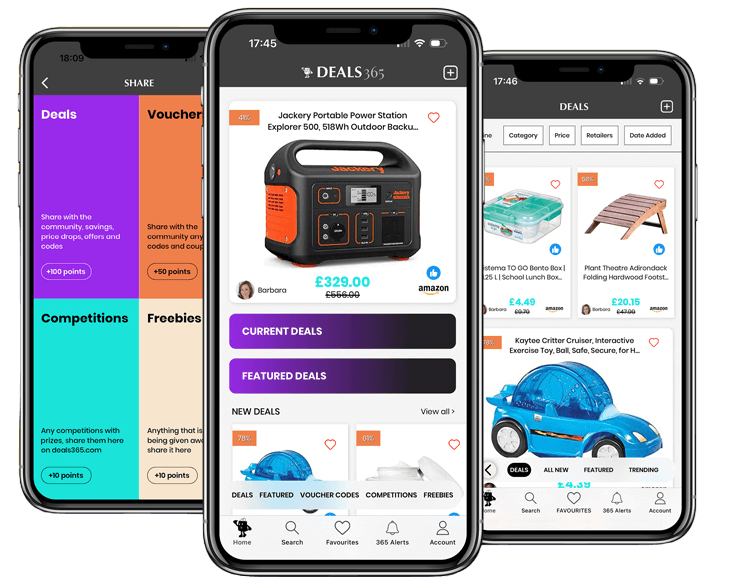
The most reliable way to judge a deal is to see what the item actually sold for over the past few weeks or months. Tools like Keepa track the full price history of products on Amazon, so you can see at a glance whether the current price is genuinely lower than usual or simply back to its everyday level. At Deals365, we use Keepa data to verify that a price represents a real drop before we feature it. If a product has rarely or never sold at the so-called original price, the claimed discount is not meaningful.
Compare prices across multiple retailers
A deal at one retailer may simply reflect the normal going rate elsewhere. Use free price comparison tools such as Google Shopping, PriceSpy, or CamelCamelCamel to check what the same product costs at other UK retailers right now. If the price is broadly similar everywhere, there is no particular reason to rush. A genuine deal usually stands out clearly when you compare it against several sources.
Understand the 28-day pricing rule
Under the UK Consumer Rights framework and the Chartered Trading Standards Institute guidance, a retailer should only show a crossed-out reference price if the item was genuinely sold at that price for a continuous 28-day period beforehand. This rule exists precisely to prevent misleading discount claims. If a sale price appears the very day a product launches, or if the higher price only appeared briefly, that is a sign the headline saving may not be genuine.
Be cautious with urgency and scarcity tactics
Countdown timers, low-stock warnings, and limited-time banners are commonly used to pressure shoppers into buying quickly without checking. Some of these prompts are legitimate, but others reset automatically or apply to products that are always available. Take a moment to verify the claim independently rather than acting on the pressure alone. Searching for the product on other sites takes less than a minute and can save you from an unnecessary purchase.
Trust deals that show their working
A genuinely good deal should be easy to explain: the price is lower than it has been, lower than competitors charge, or both. When a deal listing includes a clear reason for the saving, a verified price drop, and a straightforward comparison, that transparency is itself a good sign. At Deals365 we aim to show you the evidence behind every featured deal, so you can make the call yourself rather than taking the discount at face value.